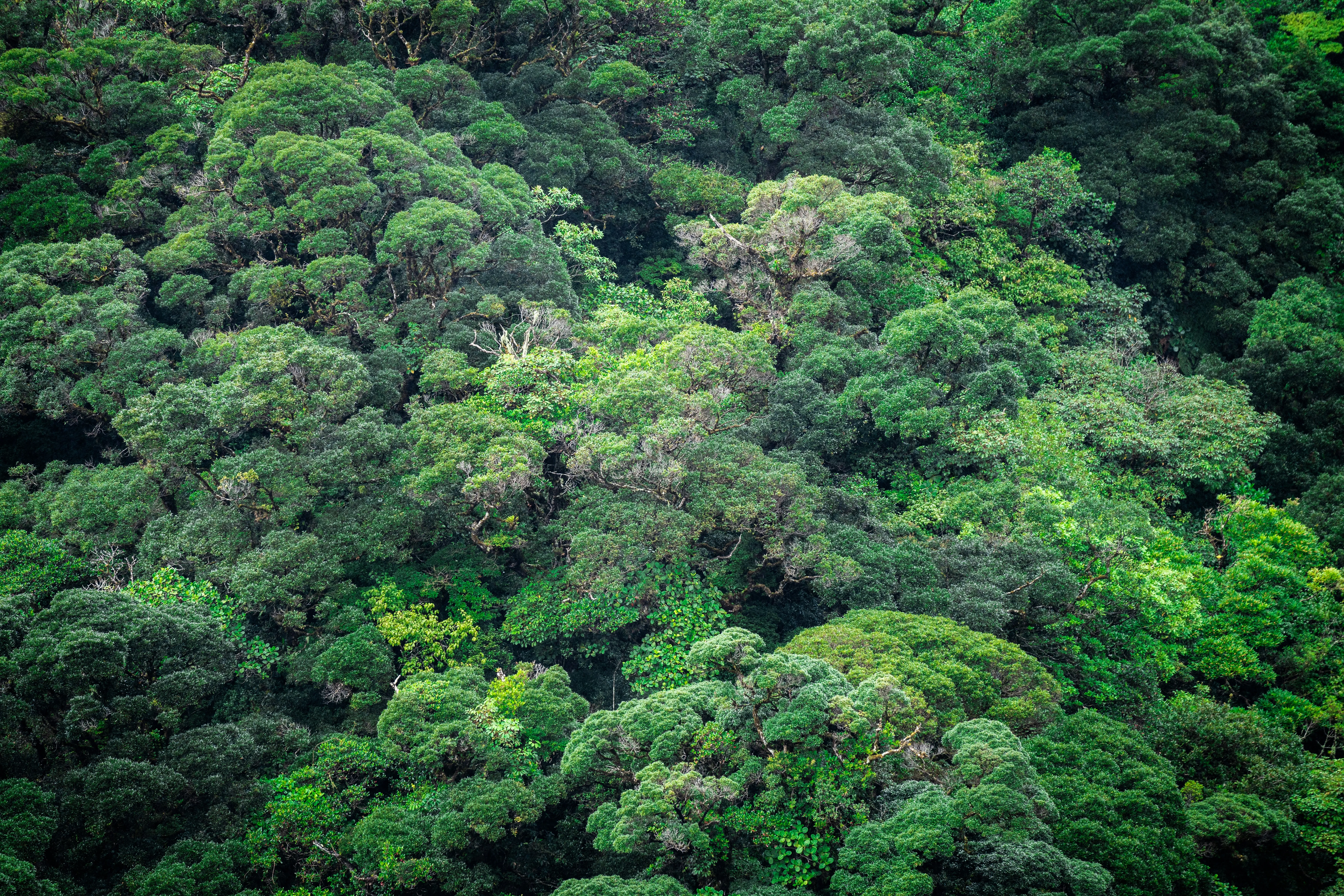
The Nicoya Peninsula in northwestern Costa Rica is one of five places on Earth where people consistently live past 100. The others are Sardinia in Italy, Okinawa in Japan, Ikaria in Greece, and Loma Linda in California. The five regions were identified by researchers and journalist Dan Buettner working with National Geographic, and the concept is now a well-established field of longevity study.
Nicoyans, on average, are roughly two and a half times more likely to reach 90 than Americans, with much lower rates of heart disease and cancer along the way. That is not folklore. It is documented in demographic studies.
Nosara sits at the southern coastal edge of this Blue Zone. What follows is what that means in practice, and what we have watched it do to the guests who come stay with us.
What researchers actually found
Blue Zone research is not about a single miracle ingredient. It is about overlapping daily habits that compound over decades. Across all five Blue Zones, researchers identified a common set of patterns. In Nicoya specifically, the strongest threads are:
The diet
Beans, corn, and squash are the foundation. The traditional Nicoyan plate centers on whole foods, with tropical fruit and fresh fish in supporting roles. Meat is a smaller presence than in most North American diets. Processed food and added sugar are limited in traditional households.
The water
The local groundwater on the Nicoya Peninsula is naturally rich in calcium and magnesium. Researchers have flagged this as a likely contributor to the unusually low rates of heart disease and bone fractures in the region.
The movement
Nicoyans do not go to the gym. They walk, garden, sweep, carry, repair, and stay physically active through daily life into their eighties and nineties. The kind of movement that compounds quietly.
The community
Strong family ties, multigenerational households, and neighborhood relationships are still the norm. Older adults live among younger generations, and the concept of being useful does not retire at 65.
The purpose
The local concept of plan de vida (literally, life plan) is the Nicoyan version of what Japanese culture calls ikigai. A reason to wake up that goes beyond the self. Research links a clear sense of purpose to measurably better health outcomes.
The sun
Nicoya gets abundant year-round sun. Combined with outdoor daily life, this means most residents maintain consistently healthy vitamin D levels, a factor in immune function and bone health.
How it changes a week here
Most of our guests arrive on a plan: surf, eat, swim, repeat. Within three or four days, something else has usually happened, almost without trying.
Sleep gets deeper
Daylight is a powerful regulator of the body’s sleep cycle. Twelve hours of strong tropical sun, ocean swimming, and no indoor air conditioning at night (most villas use ceiling fans and open architecture) tends to reset the body’s rhythm quickly. Guests routinely report sleeping seven or eight consecutive hours within a couple of days.
Eating slows down
Restaurants in Nosara do not rush. Meals are paced, plated, and spent at the table. Coffee gets drunk slowly. Conversation happens. The pacing alone changes how much you eat and how it sits.
The body stays moving
A typical Nosara week, even without scheduled exercise, includes walks to the beach, paddling out for waves, climbing villa stairs, and swimming in the ocean. The body does not sit still much. Most guests come home moving better than when they left.
The phone moves to the background
Wifi is good in town, but the day-to-day rhythm makes it less necessary. Howler monkeys do not need notifications. Sunsets do not need filters. Most guests are surprised how quickly the phone gets put down and stays down.
Bringing some of it home
The point of a Blue Zone is not that you have to move there. It is that the patterns are studyable and transferable. A few of the changes our guests routinely take home with them:
- Eating more plants. Beans, vegetables, and tropical fruit at the center of the plate.
- Walking more. Skipping the elevator, parking further away, biking on weekends.
- Eating with other people. Slower meals, longer dinners, fewer phones at the table.
- Saying pura vida more. Not literally. Just the underlying posture of less hurry, less complaint, more presence.
One honest note
Researchers have observed that the youngest generations in Nicoya are not living the same lives their grandparents lived. Industrialized food, soda, smartphones, and longer commutes have arrived. The longevity advantage in the region is, by some measures, narrowing. The pattern is not magic. It is the result of choices that compound over decades, and it can be lost the same way.
That makes the experience of spending time here even more interesting. The traditional pattern is still visible if you look for it. The slower meals, the multigenerational dinner tables, the older women walking with bags of groceries balanced on their hips. Nosara, at its best, lets you spend a week inside that pattern.
Frequently asked questions
What is a Blue Zone?
A Blue Zone is one of five regions identified by researchers, journalist Dan Buettner, and National Geographic where people live measurably longer and healthier lives than the global average. The five Blue Zones are the Nicoya Peninsula in Costa Rica, Sardinia in Italy, Okinawa in Japan, Ikaria in Greece, and Loma Linda in California.
Where exactly is the Nicoya Blue Zone?
The Nicoya Blue Zone covers the Nicoya Peninsula in northwestern Costa Rica, particularly the more rural, inland communities of southern Guanacaste. Nosara sits at the southern coastal edge of this region.
Why do Nicoyans live so long?
Researchers point to a combination of factors: a diet centered on beans, corn, squash, and tropical fruit; a calcium-rich and magnesium-rich local water supply; consistent physical activity through daily life rather than gym workouts; strong community and family ties; a sense of purpose (the local concept of plan de vida); and abundant sunlight providing vitamin D.
Do I have to live in Nicoya to get Blue Zone benefits?
No. The point of Blue Zone research is that the daily habits are transferable. Eating more plants, moving naturally throughout the day, prioritizing relationships, and reducing chronic stress are the building blocks. A week in Nosara is not a cure, but it is one of the most effective resets we have seen for guests willing to engage with the rhythm of the place.
Will I really feel different after a week?
Most of our guests do. Some of it is the obvious: sleep is deeper, food is fresher, screens are not the center of the day. Some of it is more subtle: a shift in pace that takes a few days to settle in, and a few days to lose once you go home.